Post Produced By-Marshall Howe
As you think about laser eye surgery, specifically the LASIK procedure, one of the most crucial choices you will make is choosing the right surgeon. A skilled LASIK surgeon can profoundly affect the outcome of the surgery and how satisfied you are with the results. With progress in technology, the choices available to patients have broadened, and knowing what to anticipate from your laser eye surgeon can assist calm your worries.
From consultations to the actual procedure, knowing how to evaluate a bladeless LASIK surgeon's expertise and experience is crucial. The process to clearer vision begins with trust in your surgeon, so let's examine the key factors that will lead you through this critical decision and make sure you feel secure every step of the way.
Qualifications of a Surgeon Specializing in LASIK
A skilled LASIK surgeon should have a robust educational background, typically holding a medical degree from an accredited medical school. After finalizing their medical education, they undergo several years of specialized training in ophthalmology. This training includes considerable clinical experience in diagnosing and treating different eye conditions, as well as performing surgical procedures. A surgeon's educational credentials are a crucial indicator of their expertise and should not be disregarded.
In addition to formal education, a LASIK surgeon should maintain appropriate certifications. Board certification in ophthalmology demonstrates that the surgeon has achieved specific standards of knowledge and skill in eye care. It is also crucial to check if the surgeon has undergone additional training specifically in LASIK procedures. A surgeon who continues to pursue ongoing education and training exhibits a commitment to staying updated on the latest advancements in LASIK technology and techniques.
Expertise is another important factor when selecting a LASIK surgeon. Fellowship Trained Corneal Surgeon seasoned LASIK surgeon will have completed a significant number of procedures, making them more proficient at handling various scenarios that may arise during surgery. When meeting potential surgeons, ask about their experience with particular LASIK techniques, such as bladeless LASIK, as this can additionally influence the outcome of your procedure. A seasoned surgeon can support you in navigating you through the process and boost your confidence in your decision.
Grasping Bladeless LASIK
Blade-Free Laser-Assisted in Situ Keratomileusis, also referred to as fully laser LASIK, employs state-of-the-art laser technology to create the corneal flap without the need for the use of a blade. This method enhances precision and reduces dangers associated with traditional Laser-Assisted in Situ Keratomileusis procedures. With laser-assisted flap creation, the probability of issues is considerably reduced, making it an attractive option for patients seeking sight correction.
One of the key benefits of selecting a blade-free Laser-Assisted in Situ Keratomileusis surgeon is the improved comfort during the procedure. Patients often report feeling less pressure and experience fewer side effects, such as light disturbances and ringing lights, after surgery. The all-laser technique also allows for a more personalized treatment, as the surgeon can adjust the flap size and positioning to fit the individual shape of each patient’s cornea.
Additionally, bladeless LASIK generally results in faster recovery durations compared to traditional techniques. Individuals can typically resume their daily activities within a short period, often just a day after the surgery. This rapid healing and elevated level of contentment contribute to the increasing favor of bladeless Laser-Assisted in Situ Keratomileusis among those looking to achieve sharper sight with minimal downtime.
Choosing the Best Laser Eye Surgeon
Choosing the right laser eye surgeon is crucial to obtaining excellent results from your LASIK procedure. Start by searching for an accomplished LASIK surgeon who has a proven reputation in executing the surgery. Evaluate their credentials, such as board certification and focused training in refractive surgery. A surgeon with considerable experience will be familiar with a variety of eye conditions and the latest technologies, ensuring that they can adapt the procedure to your individual needs.
Additionally, important factor is the technology used in the surgery. Master Lasik Surgeon for a no-blade LASIK surgeon who employs high-tech laser systems for the procedure. Bladeless techniques often lead to more rapid recovery times and lessened discomfort compared to traditional methods. During meetings, ask about the equipment the surgeon uses and whether they perform custom LASIK adapted to your unique vision profile. Knowing that your surgeon uses state-of-the-art technology can give you additional confidence in your decision.
In conclusion, consider the surgeon's conversational style and the support staff available at the clinic. A great laser eye surgeon will take the time to address all your questions and queries, providing you with a clear insight of the procedure, potential dangers, and expected outcomes. The overall environment at the clinic should feel comfortable and professional, with attentive staff who can assist you through the experience from the initial consultation to post-operative care. Focusing on these elements will help you find a surgeon you can rely on and feel at ease with during your LASIK journey.
What to Expect In the Course of the Surgery
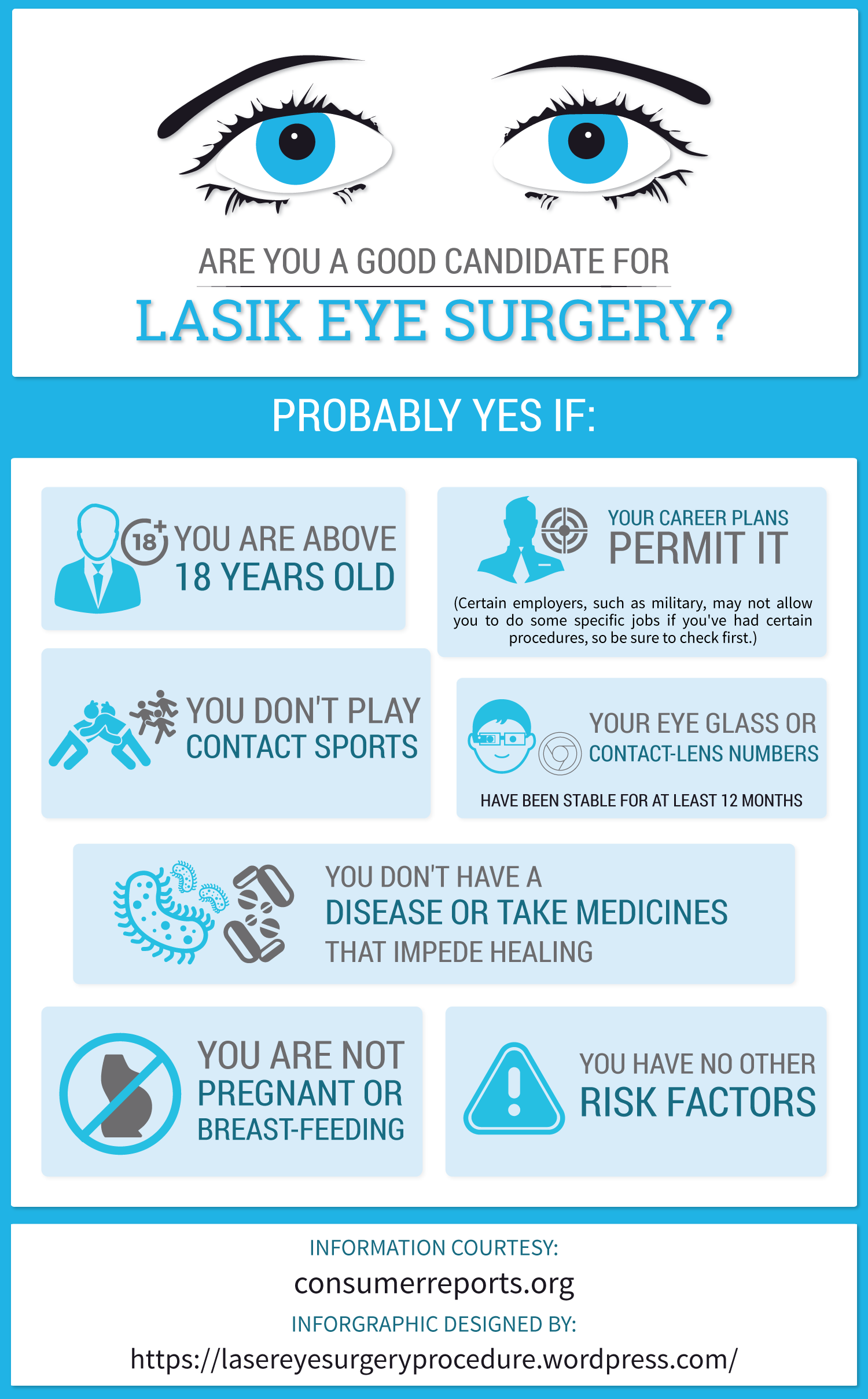
As soon as you check in for your LASIK procedure, your skilled LASIK doctor will primarily ensure you are relaxed and settled. Before the procedure starts, you'll go through a few preliminary exams to confirm that your eyes are ready for surgery. This will include assessing your eye pressure, calculating the curvature of your cornea, and taking detailed images of the eye. The complete process is designed to meet that your individual vision needs are addressed.
During the actual procedure, a non-bladed LASIK doctor will employ advanced laser technology to redesign your cornea. You will be administered numbing eye drops to reduce discomfort, and you will be awake throughout the surgery, which typically lasts merely about 10 to 15 minutes per eye. Your laser eye surgeon will guide you to direct your attention to a specific light, helping to calm any nerves you might have as the laser does its work.
Once your LASIK procedure is done, you will be moved to a recovery area where the staff will watch over you for a brief period. You may encounter some temporary haze or discomfort, but these sensations are usually minor and temporary. Your surgeon will go over post-operative care instructions and set up follow-up appointments to confirm your healing process is progressing well.